

Agri-food : securing operations
The agri-food industry operates in an environment shaped by raw material volatility, supply chain disruptions, margin pressure, evolving consumer expectations, and growing environmental requirements.
KEPLER supports agri-food companies in optimizing their industrial, operational, and supply chain performance.
KEPLER supports agri-food companies in optimizing their industrial, operational, and supply chain performance.
Turning your challenges into measurable results
- Shortages and limited availability of agricultural raw materials are making supply chains increasingly difficult to manage.
- Price volatility is putting significant pressure on margins and cost control.
- Climate, geopolitical and regulatory disruptions are increasing sourcing risks.
- Variability in raw material quality impacts production stability and planning accuracy.
- Limited supplier visibility reduces the ability to anticipate operational disruptions.
- Targeted assessment: analysis of supplier dependencies, sourcing risks and raw material variability.
- Prioritized strategy: definition of sourcing strategies to secure supply and reduce exposure to market volatility.
- Operational deployment: implementation of supplier governance, sourcing risk mitigation plans and operational anticipation mechanisms.
- Technology & AI: forecasting tools, weak-signal detection (climate, markets, geopolitics), scenario modeling and supply risk monitoring solutions.
- People & Change: support for procurement, supply chain and operations teams in adapting to increasingly constrained operating environments.
Measured results: reduced disruption risks, improved supply visibility and strengthened long-term supply resilience.
When supply volatility weakens industrial performance
- Rising raw material, energy and transportation costs are reducing margins.
- Retailers continue to exert strong pressure on prices.
- Industrial costs are increasing while price pass-through capabilities remain limited.
- Operations often lack the flexibility required to absorb cost and demand fluctuations.
- Balancing competitiveness, quality and service levels is becoming increasingly complex.
- Targeted assessment: detailed analysis of cost structures, product profitability and operational performance levers.
- Prioritized strategy: definition of a competitiveness improvement roadmap aligned with margin, quality and service objectives.
- Operational deployment: optimization of flows, productivity improvement initiatives and operational cost reduction programs.
- Technology & AI: performance management tools, profitability analytics, cost variance tracking and operational scenario simulation.
- People & Change: support for teams in continuous improvement and performance management initiatives.
Measured results: sustainable margin improvement, reduced operating costs and enhanced industrial competitiveness.
When cost and pricing pressure threaten profitability
- Consumer expectations are evolving rapidly around health, natural ingredients, convenience, transparency and sustainability.
- Product development cycles remain long and complex.
- Product portfolios are becoming increasingly difficult to manage and rationalize.
- Some innovations struggle to achieve their profitability or industrialization objectives.
- SKU proliferation increases operational complexity and reduces industrial efficiency.
- Targeted assessment: analysis of product portfolios, innovation processes and industrialization bottlenecks.
- Prioritized strategy: definition of innovation and portfolio management strategies aligned with consumer expectations and industrial constraints.
- Operational deployment: otimization of product development processes, portfolio rationalization and acceleration of time-to-market.
- Technology & AI: strategic intelligence, consumer trend analysis, concept generation and project prioritization tools.
- People & Change: support for innovation, marketing and industrial teams in evolving innovation governance and decision-making practices.
Measured results: reduced time-to-market, improved innovation ROI and better portfolio complexity management.
When product innovation takes too long to create value
- The agri-food industry faces growing expectations regarding environmental impact reduction.
- Water, packaging, waste, energy and food waste management are becoming strategic priorities.
- Regulatory and retailer requirements are accelerating rapidly.
- Environmental objectives can appear difficult to reconcile with profitability and competitiveness goals.
- Value chains remain difficult to manage in a consistent and end-to-end manner.
- Targeted assessment: evaluation of environmental impacts across the value chain and identification of key improvement levers.
- Prioritized strategy: definition of environmental roadmaps aligned with industrial, economic and regulatory challenges.
- Operational deployment: optimization of resource consumption, waste reduction and improvement of operational environmental performance.
- Technology & AI: environmental KPI monitoring, data analytics and optimization scenario modeling tools.
- People & Change: mobilization of teams around sustainability objectives and integration of new operational practices.
Measured results: reduced environmental footprint, improved operational performance and stronger execution of ESG ambitions.
When environmental challenges increase operational complexity
- The multiplication of SKUs and promotional activities is increasing operational complexity.
- Demand variability is making planning less stable and predictable.
- Frequent production changeovers negatively impact industrial productivity.
- Balancing service levels, costs, inventory and capacity is becoming increasingly challenging.
- Industrial assets often struggle to sustainably absorb operational variability.
- Targeted assessment: analysis of flows, industrial constraints, capacity and operational variability drivers.
- Prioritized strategy: definition of more resilient industrial and logistics organizations capable of managing demand variability.
- Operational deployment: optimization of planning, flows and industrial capacity to improve operational stability.
- Technology & AI: simulation tools, advanced forecasting, capacity scenarios and constraint-based optimization solutions.
- People & Change: support for teams in evolving industrial management and supply chain practices.
Measured results: improved service levels, reduced productivity losses and enhanced industrial capacity management.
When industrial complexity reduces operational performance
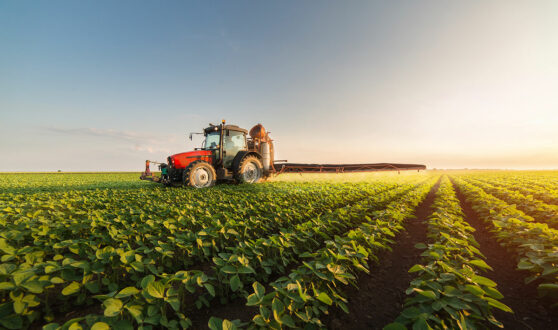



Trusted by leading Food & Agriculture companies














Contact our Food & Agriculture experts
Contact our Food & Agriculture experts